Research Hub
What Is BPC-157? The Most Studied Research Peptide You Haven't Heard Of
BPC-157 is a 15-amino-acid synthetic peptide studied in 100+ preclinical papers for tissue repair pathways. Learn what the research actually says.
For Research Use Only
Last Updated: March 2026
⚗️ FOR RESEARCH USE ONLY. All compounds discussed are intended for laboratory research purposes. Not for human consumption. No dosing, administration, or therapeutic use is implied anywhere in this article.
BPC-157 (Body Protection Compound-157) is a synthetic pentadecapeptide consisting of 15 amino acids, derived from a protein naturally found in human gastric juice. With CAS number 137525-51-0 and a molecular weight of approximately 1419.5 g/mol, it's one of the most extensively studied research peptides in preclinical literature, with over 100 published laboratory studies examining its interactions with tissue repair pathways, angiogenic signaling, and nitric oxide systems.
Overview
At a Glance
| Property |
Detail |
| Full Name | Body Protection Compound-157 |
| Classification | Synthetic pentadecapeptide |
| CAS Number | 137525-51-0 |
| Molecular Formula | C₆₂H₉₈N₁₆O₂₂ |
| Molecular Weight | ~1419.5 g/mol |
| Amino Acid Count | 15 |
| Sequence | Gly-Glu-Pro-Pro-Pro-Gly-Lys-Pro-Ala-Asp-Asp-Ala-Gly-Leu-Val |
| Form | Lyophilized (freeze-dried) powder |
| Purity Standard | ≥98% |
| Storage | -20°C long-term / 2-8°C short-term |
| Published Studies | 100+ preclinical papers |
| FDA-Approved Trials | None currently |
Compound Profile
What Is BPC-157? Origin, Structure, and Classification
Here's the thing. Your stomach makes a protein called BPC, or Body Protection Compound. Scientists have known about it for decades. BPC-157 is a specific 15-amino-acid fragment of that larger protein, synthesized in laboratory settings for research purposes.
Why does that matter?
Because most peptides fall apart the second they encounter gastric acid. They're fragile. BPC-157 doesn't have that problem. It remains stable in acidic environments, which is unusual for a peptide of its size and structure. That stability caught the attention of researchers early on, and it's part of why it's become one of the most published peptide sequences in preclinical literature.
The molecular formula is C₆₂H₉₈N₁₆O₂₂, coming in at roughly 1419.5 g/mol. Its sequence (Gly-Glu-Pro-Pro-Pro-Gly-Lys-Pro-Ala-Asp-Asp-Ala-Gly-Leu-Val) contains three consecutive proline residues, which contributes to its structural rigidity and resistance to enzymatic breakdown. For researchers working with peptides, that stability is a significant characteristic.
It's classified as a synthetic peptide. The "synthetic" part is important. While BPC exists naturally in gastric juice, BPC-157 itself is a lab-produced fragment that doesn't occur on its own in nature. Every vial in a research catalog was manufactured, not extracted.
Mechanism of Action
How BPC-157 Works at the Molecular Level
Researchers have been pulling apart BPC-157's mechanism of action for years, and the picture emerging from laboratory studies is surprisingly complex for a 15-amino-acid chain.
Nitric Oxide System Interactions
Published preclinical research has identified BPC-157's interactions with the nitric oxide (NO) system as a primary area of interest. In laboratory settings, studies have observed that BPC-157 appears to modulate NO synthase pathways. A 2018 study published in Current Pharmaceutical Design examined these interactions across multiple rodent models and found consistent patterns of NO system modulation.
Nitric oxide is a signaling molecule involved in vascular function, inflammatory response, and cellular communication. Understanding how a peptide interacts with these pathways gives researchers a tool for studying the NO system itself.
Angiogenic Pathway Modulation
In vitro studies have shown BPC-157 interacting with VEGF (vascular endothelial growth factor) pathways. VEGF is central to angiogenesis — the formation of new blood vessels from existing ones.
A 2020 study published in Life Sciences examined BPC-157's effects on VEGF receptor expression in cell culture models and observed upregulation of specific receptor subtypes. This targeted molecular data is what makes BPC-157 valuable as a research tool for studying angiogenic signaling.
Cell Migration and Cytoprotective Properties
Multiple published studies have examined BPC-157's influence on cell migration patterns in laboratory settings. In wound-healing scratch assay models (a standard in vitro test), researchers have observed accelerated cell migration in the presence of BPC-157 compared to control groups.
Rodent models exposed to various stressors have been used to study BPC-157's interactions with cellular protection mechanisms. These studies, primarily published in Journal of Physiology Paris and Life Sciences, don't establish therapeutic claims. They map molecular pathways. That distinction matters.
This section describes published preclinical research conducted in laboratory settings. No therapeutic outcomes for any species are claimed or implied.
Published Literature
Published Research Overview
So what does 100+ studies actually look like? Here's a breakdown by research area.
Tendon and Ligament Models
Some of the earliest and most cited BPC-157 research involves connective tissue. Rodent models examining Achilles tendon transection (published in the Journal of Orthopaedic Research, 2003) observed tissue repair pathway activation in BPC-157-exposed subjects versus controls. These models have been replicated and expanded by multiple independent research groups.
Worth noting: virtually all of this research is preclinical. Rodent models. In vitro cell cultures. These aren't clinical trials. They're basic science investigations into molecular mechanisms.
Gastrointestinal Tract Research
Given that BPC-157 derives from a gastric protein, GI research makes up a significant portion of the literature. Studies using rodent gastric lesion models (published across Life Sciences and Journal of Physiology Paris between 1999 and 2022) have examined BPC-157's interactions with mucosal tissue.
The gastric acid stability mentioned earlier is particularly relevant here. Most peptides can't survive low pH environments, making controlled GI research difficult. BPC-157's structural resilience gives researchers a unique tool for studying peptide behavior in acidic conditions.
Muscle and Bone Research
Preclinical models examining muscle crush injury (published in Regulatory Peptides, 2010) and bone healing pathways have added to the broader picture. Again, all rodent models. What researchers are mapping isn't "healing" — it's the specific molecular signaling cascades involved when BPC-157 is introduced to damaged tissue models.
The "Wolverine Stack" in Research Circles
In peptide research forums, the "Wolverine Stack" refers to combining BPC-157 with TB-500 (a synthetic analog of Thymosin Beta-4). Researchers have noted that these two compounds interact with different but complementary molecular pathways: BPC-157 primarily through NO and VEGF systems, TB-500 through actin-binding and cell motility mechanisms.
Some published preclinical studies have examined co-administration in animal models, though this remains a less mature area of the literature compared to single-compound research.
What's Missing from the Research
There are no completed FDA-approved clinical trials for BPC-157. The vast majority of published research uses rodent models or in vitro cell cultures. Human clinical data is extremely limited.
That doesn't invalidate the preclinical findings, but it does mean the research is early-stage by pharmaceutical standards. Any researcher working with BPC-157 should approach the existing literature with that context in mind.
All research cited reflects published preclinical studies in laboratory settings. WhyNot Labs makes no claims regarding outcomes in any species.
Lab Handling
What Researchers Should Know About BPC-157 Quality
Not all BPC-157 is created equal.
Purity Matters
Research-grade BPC-157 should meet a minimum purity threshold of ≥98%. Impurities in a peptide sample can confound research results. If a sample is 85% pure, you're not researching BPC-157 — you're researching BPC-157 plus whatever else is in the vial.
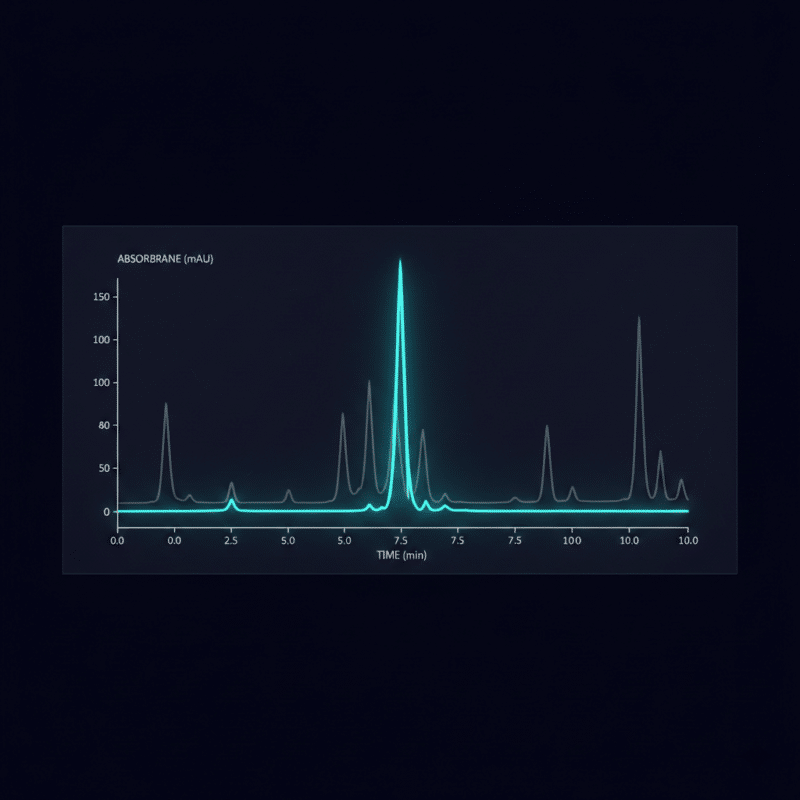
Every batch should come with a Certificate of Analysis from an independent, third-party lab — not the manufacturer's in-house lab. An actual third-party facility with no financial relationship to the supplier.
Storage and Handling
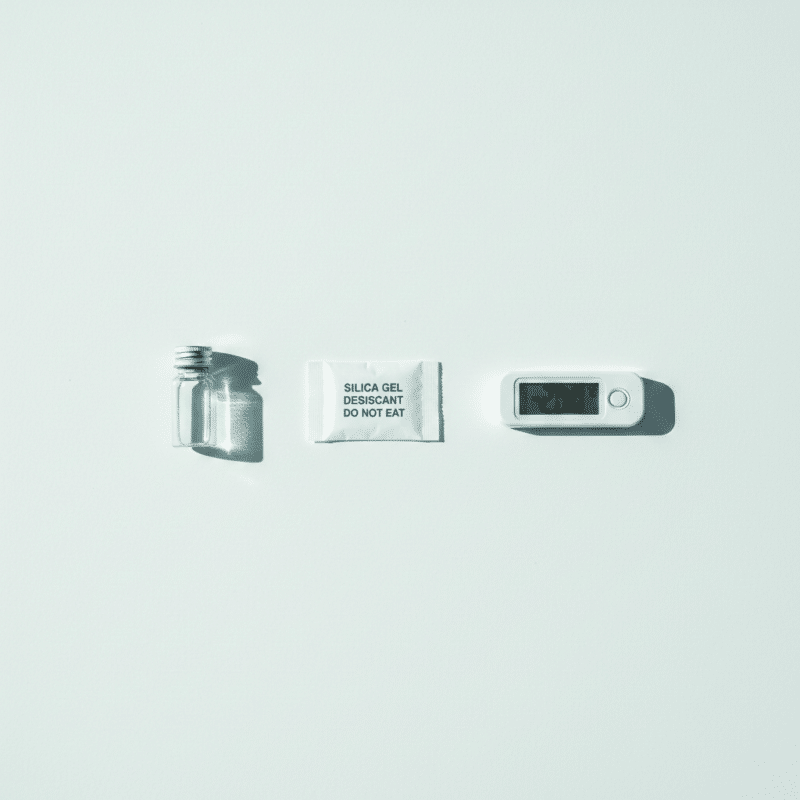
BPC-157 in lyophilized form is reasonably stable, but improper storage degrades peptide integrity quickly.
| Condition |
Temperature |
Notes |
| Long-term storage | -20°C | Protect from light and moisture |
| Short-term storage | 2-8°C | Protect from light and moisture |
| After reconstitution | 2-8°C | Minimize freeze-thaw cycles |
| Hygroscopic note | All temps | Attracts moisture — minimize vial open-time |
Testing: The Non-Negotiable
Third-party testing isn't optional. The research peptide market has a quality problem. Without independent verification, there's no way to confirm that a sample contains the correct sequence at the stated purity.
At WhyNot Labs, every batch is tested through Vanguard Laboratory. Full COAs are published and linked to specific batch numbers. You can verify what you're getting before it's used in research.
From WhyNot Labs
At WhyNot Labs, every batch is independently tested by Vanguard Laboratory — full COA published on site and linked to your specific batch number. We source directly from verified manufacturers, not wholesale distributors, which is why our pricing doesn't include multiple layers of middleman markup.
Independent testing. Research-grade purity. Transparent sourcing.
WhyNot Labs sells research compounds only. Not for human consumption.
FAQ
Frequently Asked Questions About BPC-157
BPC-157 (Body Protection Compound-157) is a synthetic 15-amino-acid peptide derived from a larger protein naturally found in human gastric juice. It has a molecular weight of approximately 1419.5 g/mol and CAS number 137525-51-0. It's one of the most studied research peptides in preclinical literature, with over 100 published laboratory studies.
No. There are currently no FDA-approved clinical trials for BPC-157. All published research is preclinical, conducted in laboratory settings using rodent models and in vitro cell cultures. BPC-157 is available for research purposes only.
What makes BPC-157 different from other research peptides?
BPC-157's stability in acidic environments is unusual among peptides. Most peptides degrade rapidly at low pH, but BPC-157 maintains structural integrity in gastric acid conditions. This property, combined with its well-documented interactions with NO and VEGF pathways in preclinical models, makes it a uniquely versatile research tool.
What is the "Wolverine Stack"?
In research circles, the "Wolverine Stack" refers to the combination of BPC-157 and TB-500 (a synthetic analog of Thymosin Beta-4). These two peptides interact with different molecular pathways and have been studied both individually and in combination in preclinical models.
How should BPC-157 be stored in a laboratory setting?
Lyophilized BPC-157 should be stored at -20°C for long-term preservation and 2-8°C for short-term research use. It's hygroscopic (attracts moisture), so minimizing air exposure and keeping vials sealed is important for maintaining sample integrity.
How do I verify the quality of BPC-157?
Look for a Certificate of Analysis from an independent third-party lab (not the manufacturer's own testing). The COA should confirm amino acid sequence identity and purity of ≥98%. WhyNot Labs publishes Vanguard Laboratory COAs for every batch. Visit our COA Library →
Why is third-party testing important for research peptides?
Without independent verification, there's no way to confirm that a peptide sample contains the correct sequence at the stated purity. Impurities or misidentified compounds can confound research data and produce unreliable results. Third-party testing removes the manufacturer's conflict of interest from quality verification.
Research Use Disclaimer
All products sold by WhyNot Labs are intended strictly for laboratory research purposes. They are not intended for human consumption, therapeutic use, or any application other than scientific investigation. By purchasing, you confirm you are 21+ and will use products solely for research purposes. WhyNot Labs makes no claims regarding the safety, efficacy, or therapeutic potential of any compound. None of the statements on this website have been evaluated by the Food and Drug Administration. These products are not intended to diagnose, treat, cure, or prevent any disease.
Written by Ash, Founder of WhyNot Labs. All WhyNot Labs products are independently tested by Vanguard Laboratory with full Certificates of Analysis published for every batch.